 What Is Considered Good Sleep?
Clocks Fall Back Nov. 1: How to Keep Good Sleep Through the Time Change
Published October 29, 2026 · What Is Considered Good Sleep? editors
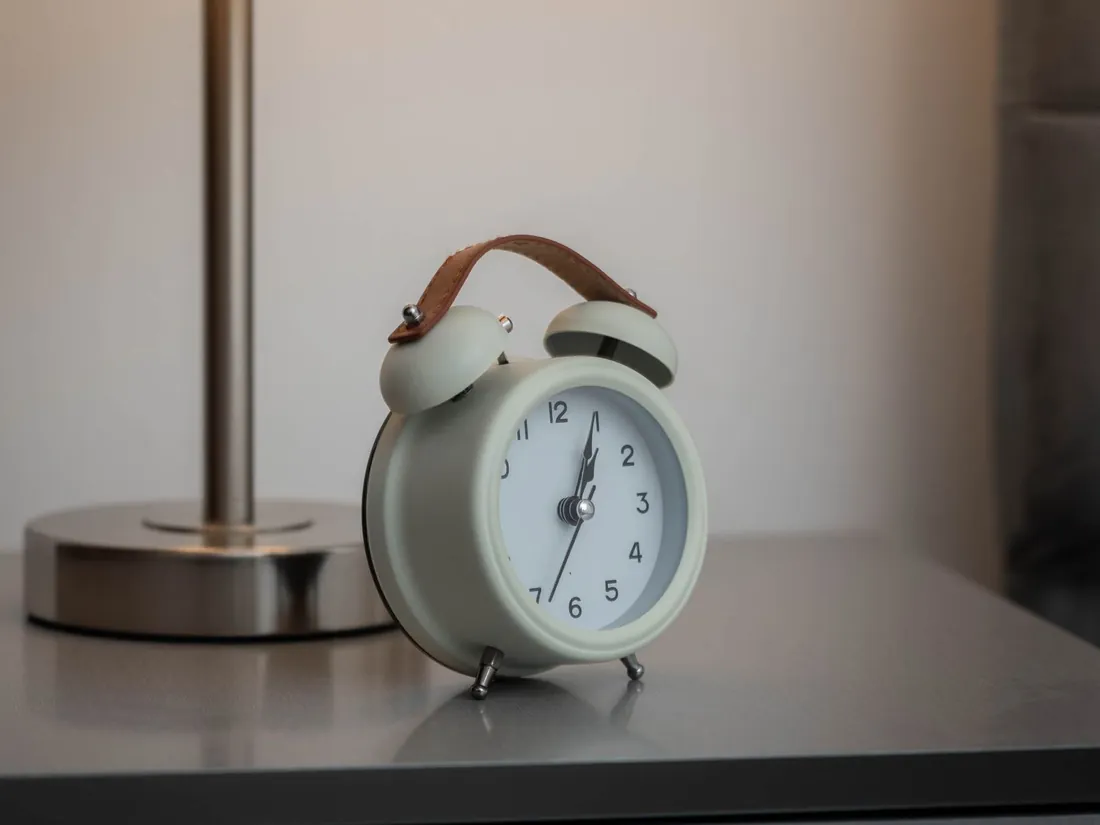
Quick answer: clocks fall back one hour at 2 a.m. on Sunday, November 1, 2026. Keep your wake-up time steady, get daylight early, and shift kids by 15 minutes a night. Good sleep still means at least 7 hours for adults, a regular schedule, and waking up mostly refreshed.
The fall time change gets less attention than the spring one because it "gives" you an hour. In practice, plenty of people find the week afterward rough: early wake-ups, kids up before dawn, and sleepy late afternoons once it's dark by 5. Here's how to keep sleep on track.
What changes, and for whom
In most of the U.S., daylight saving time ends at 2 a.m. local time on Sunday, November 1, 2026, and clocks move back to 1 a.m. Arizona (outside the Navajo Nation) and Hawaii don't change their clocks, so if you live there, your schedule stays the same, but calls and travel to other states shift by an hour.
Why an extra hour can still throw you off
Your body clock doesn't move just because the wall clock does. If you usually wake at 6:00, your body will want to wake at what's now 5:00. Light also shifts: brighter mornings and darker evenings change when you feel alert and sleepy.
A simple plan for adults
- Hold your wake-up time on the new clock, even on the weekend.
- Get daylight in the morning, outdoors if you can, within an hour of waking.
- Don't nap long in the late afternoon when it gets dark early.
- Skip late meals and workouts. Cleveland Clinic advises against eating or exercising right before bed.
- Put screens down before bed. Cleveland Clinic notes the light from phones and TVs can interfere with melatonin.
A plan for kids
Children usually feel it most. Starting a few days before, push bedtime and wake-up later by about 15 minutes a day so they reach the new time gradually. Keep the morning dark until their wake time with blackout curtains, then open them wide. Cleveland Clinic notes kids and teens need more sleep than adults, so protect their bedtime even when evenings are dark early.
What still counts as good sleep afterward
The time change is a good moment for a quick check. Cleveland Clinic recommends at least 7 hours a night for adults. Good sleep also means falling asleep within a reasonable time, not waking up for long stretches, and feeling mostly rested in the morning. If you're struggling to fall asleep in the new schedule, try these breathing techniques to fall asleep fast.
Set up the bedroom for winter
Darker evenings usually come with colder nights and the heat switching on. Keep the bedroom cool; Cleveland Clinic suggests roughly 60 to 67°F, and this explainer covers what research says about bedroom temperature for sleep. If you're cold at night, warming the bed rather than the whole house is one option; there's more on that at trygoodsleep.com.
When to see a doctor
It's normal for sleep to feel off for a few days after the clocks change. If it hasn't settled after a couple of weeks, or you regularly can't fall or stay asleep, snore loudly, or feel exhausted during the day, Cleveland Clinic suggests talking to a physician.
Sources
- Cleveland Clinic Newsroom: Tips to improve your sleep as we "fall back"
- Cleveland Clinic: The ideal sleeping temperature for your bedroom
- Cleveland Clinic: Insomnia
Warm in winter, cool in summer
Good Sleep heats to 110°F and cools to 62°F on your existing mattress, with no app and no subscription.
See Good Sleep at trygoodsleep.com